 XOOL
XOOLWhy a standard Torx bit will not seat on a post
When a small center post stops your driver from dropping into a Torx recess, forcing the tip rounds the lobes. This note explains how that post alters the fit and what kind of bit seats flat over it.
You have a driver lined up on a Torx screw, but the metal will not drop into place. It rocks on the rim, leans to one side, and never seats all the way down. Looking close shows a small solid post rising right out of the center of the recess. That center post blocks any standard bit from reaching the lobes, so leaning into the handle only skids off the top without grabbing anything.
The screw in front of you needs a bit made with a hollow center to take that middle post while the outer lobes engage the points. Our nut drivers, hex and Torx shelf holds security Torx bits made with that hole through the tip. The real question is matching the exact pattern across those lobes, because force will not make a solid bit clear a post meant to keep it out.
The center pin turns a Torx head into a tamper fastener
That raised metal peg in the recess creates what makers call a security Torx drive. The outer perimeter retains the familiar lobe contour, yet the center is blocked on purpose. Assembly lines use these screws on equipment housings to prevent casual opening with household tools. The fastener tells anyone looking that the manufacturer intended the case to remain shut during everyday service.
A regular flat bottom driver balances across the center column instead of sinking into the recess walls. Turning the handle while the tool rides high chews through the rim metal, leaving burrs behind. Matching the lobes with a hollow bit lets the driver body rest flush across the face of the screw. That allows the turning force to spread along the sidewalls rather than grinding on the top edge.
Hollow tips give the middle peg room to sit
Solid drivers stop moving the moment the flat tip bumps the raised middle of the fastener. Because the interior core stays blocked by that metal peg, the outer flutes never sink deep enough to grip the perimeter walls. The tool hovers above the contact surfaces, skidding across the upper corners when turned and shaving away the shape that gives the fastener its grip.
Drivers made for this layout carry a bored channel straight down through the working end. That cavity accepts the upright obstruction completely, letting the surrounding wings slide all the way to the floor of the recess. We put these hollow pieces on our nut drivers, hex and Torx shelf so the full length of the edge carries the twisting pressure instead of grinding against the top.
Spotting the center post before choosing a bit
Shining a narrow beam across the head from the side casts a dark mark right across the recess if a post is standing there. A plain recess stays open to the bottom, showing one clear well all the way down. Running the edge of a fingernail across the face catches immediately on that middle riser instead of sliding smoothly into the hollow. If that ridge catches your nail, no solid bit will ever drop down over it.
Recessed locations make a straight view hard, but tilting the light reveals whether metal fills the middle. A small coin or a scrap piece of stiff card tapped against the center will rock on the high spot rather than sitting level across the perimeter. When that pivot point is present, pick a hollow bit from our nut drivers, hex and Torx shelf so the opening swallows the post and lets the lobes take hold.
Common places that hide these pinned fasteners
Most people run into these posts on things built to stay shut until somebody brings the right gear. Bathroom stall partitions, public benches, outdoor lighting fixtures, and the plastic housings on power bricks or small appliances often rely on them. The post is there simply to keep a flat blade or an everyday driver from getting a grip on the hardware.
Encountering one usually means the builder wanted casual hands kept away from internal wiring or shared fixtures. If you find one on your own property, like inside an air pump casing or behind a dashboard panel, you will likely see more across the same unit. They tend to come in groups on the same assembly rather than as a solitary fastener among standard heads.
Where to look across our ranges
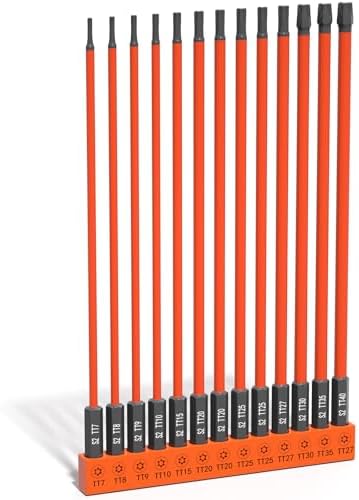
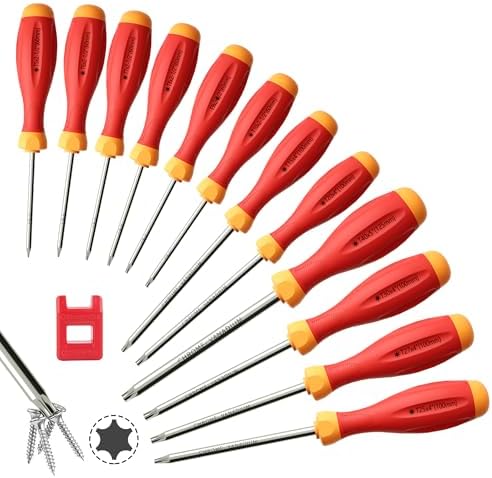
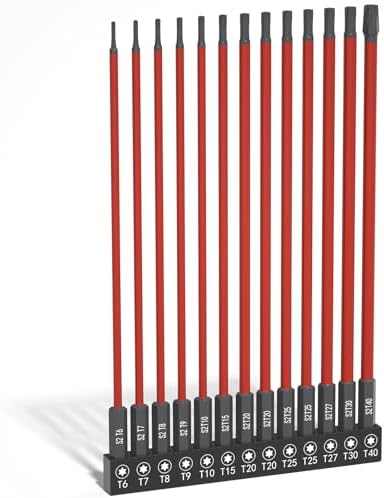
We keep these hollow drivers on our nut drivers, hex and Torx shelf, right alongside our long Torx bits on a hex shank, standard Torx drivers with handles, T handle hex keys, and two sets of nut drivers. The row underneath shows what is ready right now, paired with the actual sizes from the makers to help you choose the hollow profile that matches your fastener.