 XOOL
XOOLTiny screws round out when the tip only almost fits
If you are over a hinge or a phone casing with a driver that slips, stop turning. This note shows how a near match ruins the head, how the right bite feels before you turn, and how to tell the difference before the metal tears.
You are leaning over a phone frame or a loose pair of glasses with a driver that keeps slipping out. The tip enters the well, turns half a circle, and climbs the walls instead of gripping. Nothing has moved yet, but the center of that tiny head looks slightly shinier than it did a minute ago. When hardware is that small, a near fit feels almost right until you twist it.
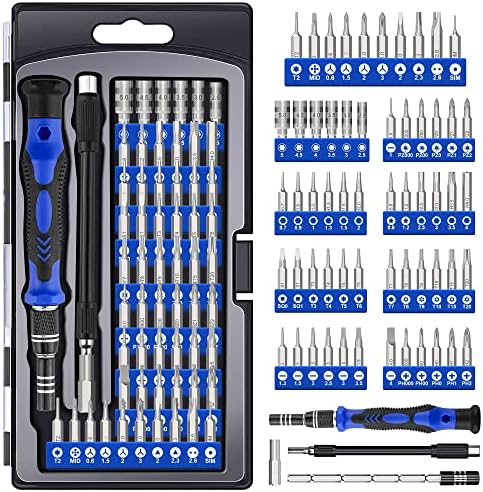
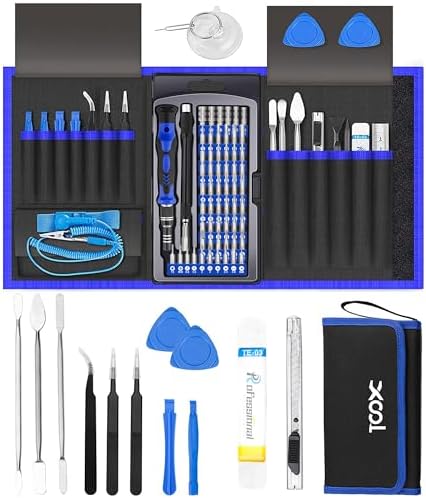
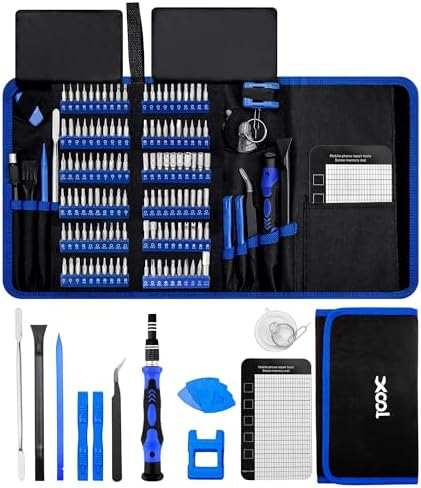
The trouble is rarely that the fastener is stuck. Most of the time, the tip you have is riding the shoulder of the recess instead of sitting in the bottom of it. Finding the right match comes down to reading what shape is actually cut into that metal under good light, long before you lean any weight into the handle. Our precision and electronics repair shelf holds seven kits meant for these tiny recesses.
Look closely at the pattern cut into the head
Tilt the workpiece under a bright desk lamp so the glare skims across the top. A simple flat slot shows two clean walls running straight to the outer rim. A four point well makes a neat cross with corners that meet in the middle. Torx recesses show six rounded lobes around a distinct central pocket. When shadows pool inside the well, the pattern looks soft, so move the light until the individual walls catch a sharp edge and give away their true shape.
Some casings use specialized security recesses that fool the eye from above. A tri wing opening shows a pinwheel layout where the spokes miss the direct middle entirely, meeting off center. Other fasteners carry a tiny solid post rising straight up out of the core of a Torx star, blocking any standard bit from seating. If the bottom of the well looks flat, smooth, or crowded by a post, an ordinary tip will only grind the rim instead of sinking home.
Why a near fit ruins a small screw head
A driver that almost fits will sit in the recess and feel ready to turn, but the metal only touches at the corners. When you push down and twist, the steel of the driver is harder than the shallow head of the fastener. Instead of gripping the walls, the tip climbs out of the slot with a faint click. That sound is the driver shaving away the tiny edges that gave the head its shape.
Once those corners are sheared off, the recess becomes a smooth bowl with nothing left for any tool to grab. Trying a second turn with the same driver simply grinds the remaining debris into dust and buries the problem deeper. At that scale, you do not get a warning bend or a slow give. The fastener either turns on the first clean bite or strips completely before you realize it moved.
Keeping the driver upright and steady on fine fasteners
Most of the work at this scale happens before anything rotates. Hold the shank perpendicular to the face of the fastener, with your index finger resting on the swivel cap to steady the shaft. Leaning even slightly to one side lifts part of the tip out of the recess. Downward pressure matters far more than twisting force here, because keeping the metal seated prevents the driver from riding up.
Work over a soft bench mat or a lipped tray so loose pieces do not bounce away across the floor. Once the threads release, pick the fastener up with tweezers rather than trying to balance it on the driver tip. Setting things down in the order they came out saves time later, especially when two screws from the same casing look identical but differ in length by the thickness of a fingernail.
Telling a stripped head apart from a wrong driver
Look directly down into the well under strong light before touching it again. When the original pattern still shows clean ridges inside the walls, the screw itself is intact and simply waiting for the exact match. That situation just needs the correct profile from our precision and electronics repair shelf. But if the recess looks like a shiny silver cup with silver flakes around the rim, the geometry that once held a tool has been rubbed away.
Knowing the difference saves you from buying bits that cannot help. A fresh driver requires sharp inner shoulders to catch against, so no new bit will turn a well that has been completely rounded into a smooth cone. When the internal walls are gone, standard turning will not work no matter whose case you open. At that point, you have to look at extraction methods rather than searching through another row of smaller tips.
Finding the driver that seats properly
Nine items sit on our precision and electronics repair shelf, packed with magnetic bits and extension rods for reaching into compact housings. If you are unsure which tip profile matches the fastener on your bench, check the page that asks which driver fits. The listings below print the exact measurements beside each option so you can compare shapes before making contact.