 XOOL
XOOLClip on car fans move air but leave the cabin heat alone
Parked vehicles build up heat through the glass. Read this before choosing a fan to see what moving still air accomplishes around a seat, where airflow helps, and how the clip models on our car cooling fans shelf operate while parked.
Sitting inside a parked vehicle after midday feels like stepping into an oven. The steering wheel burns your palms, the seats hold onto the heat, and cracking the glass does almost nothing while the frame stays stationary. You clipped a compact fan to a vent or a visor, turned it toward your chest, and found yourself wondering whether pushing warm cabin air around makes any practical difference before the trip starts.
A small blade assembly cannot replace air conditioning or cool the metal frame down on its own. What the breeze actually manages is breaking up the stagnant pocket right against your skin, which helps sweat evaporate instead of pooling. Our car cooling fans shelf holds twelve options for different mounting spots, but the choice comes down to where you aim the stream and how much still air sits between the clip and your seat.
Air in motion feels different without dropping a single degree
A car parked in the sun traps warmth behind the glass, and running a small fan does not strip that stored warmth from the dashboard or the upholstery. What moving air does is lift the thin blanket of sweat off bare skin so moisture evaporates faster, which feels cooler to your body even while the actual space stays warm. If you expect the cabin to turn chilly on its own, a fan cannot do that.
Still air sits heavy over a hot seat, and pointing airflow directly at where you sit breaks up that pocket before you start driving. It keeps air circulating around your neck and back instead of letting heat pool in one corner. On our car cooling fans shelf, we make twelve fans that clip onto headrests or grab a visor to direct that breeze right where you need it most while waiting.
Where the clip holds decides where the breeze lands
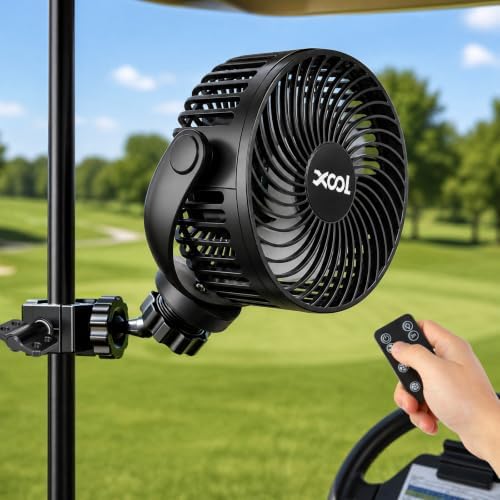
Clamping a small base to a sun visor drops a stream right over the front seat cushions, but reaching across the console from a door pocket scatters the path before it hits your shoulders. Every foot of warm air the breeze travels takes away from the cooling sensation on your skin. Grabbing a solid edge closer to your collar gives you direct circulation instead of stirring the ceiling.
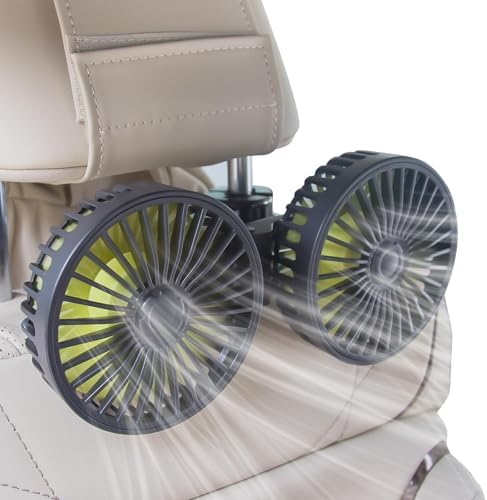
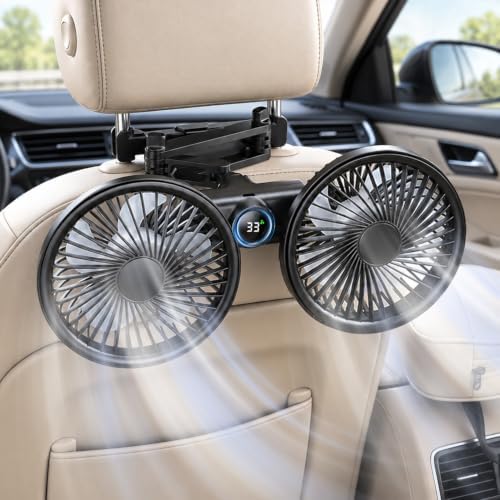
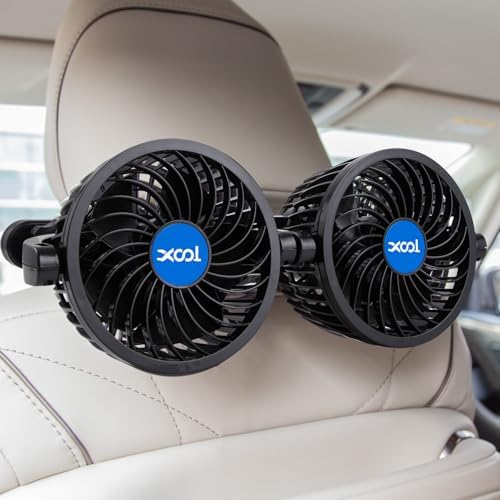
Back row spots demand another mount altogether. A post beneath a front headrest keeps the stream steady for small passengers who cannot reach across the floorboards to adjust a housing. Our car cooling fans shelf carries twelve fans with different clamp styles, so matching the grip to a rail, a visor edge, or a grab handle lets you aim the airflow right where somebody is sitting.
Running a fan depends on where you plug it in
Plugging into a socket puts airflow wherever the cord can stretch across the interior. You fasten the jaws to a grab handle or a headrest post, point the blades at your chest, and let the lead hang down to the console. That connection keeps the motor spinning while you wait, but the reach of the wire decides which spots can hold the clamp and which remain out of range.
Choosing a unit with an internal cell frees you from that wire entirely. You clamp the housing to a sun visor, a door pocket, or an assist grip in the second row without checking where the dashboard outlet sits. Two of the options on our car cooling fans shelf carry their own power source, letting you aim the stream right at a warm corner without stringing cords between seats.
Sharing the breeze across the rear seats
Clipping a unit behind a front headrest puts moving air right into the face of whoever sits in the second row. That constant stream helps when children are strapped into heavy upholstery, but a breeze aimed straight at the eyes gets old quickly. Small motors hum right at ear level, too, which can make a quiet cabin feel crowded before you even turn the key.
Angling the airflow toward an open window or across the center armrest keeps the cabin from feeling so stagnant without blowing directly onto someone who prefers still air. The five headrest models we build on our car cooling fans shelf let you tilt the housing away from sleeping passengers, so each person gets a choice instead of taking the full blast.
Matching the clamp to the seats in your vehicle
Our car cooling fans shelf holds twelve fans built around clips, headrest mounts, and dashboard plugs. A compact motor will not drop the temperature inside a hot vehicle, but sending a steady draft across a warm seat makes waiting bearable until you roll down the road. Picking the right mount lets the breeze reach where you sit instead of stirring empty space.